
目录
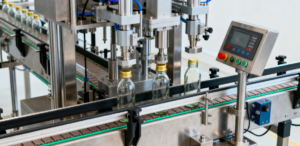
An automatic inline capping machine is a type of industrial equipment used to place and secure caps on bottles, jars, or containers continuously along a production line. It is designed to improve efficiency, ensure consistent quality, and reduce manual labor in manufacturing and packaging operations. By automating the capping process, this machine allows companies to maintain high-speed production while achieving precise and uniform sealing. In addition, an automatic inline capping machine can be adapted for various production scales, from small batches to large industrial operations, making it a versatile solution for modern manufacturing.
Key Features of an Automatic Inline Capping Machine
- High-Speed Continuous Operation
An automatic inline capping machine is capable of processing large quantities of containers without stopping. It is integrated into a production line to provide consistent, uninterrupted operation, making it ideal for high-volume manufacturing environments. The continuous operation also helps minimize production delays, allowing manufacturers to meet tight delivery schedules while maintaining product quality.
- Versatile Cap Compatibility
These machines can handle various types of caps, including screw-on, press-on, snap-on, and specialized torque-controlled caps. This versatility makes the automatic inline capping machine suitable for food, beverage, pharmaceutical, cosmetic, and chemical industries. Some advanced models even allow quick adjustments to accommodate different cap sizes or shapes without stopping the line, further enhancing productivity and reducing setup time.
- Adjustable and Precise Mechanisms
The machine includes mechanisms to control torque, pressure, and cap alignment, ensuring that every container is properly sealed. This precision helps prevent leaks, maintain product safety, and uphold brand quality. An automatic inline capping machine also reduces human error in capping, providing a uniform appearance across all products and supporting compliance with safety regulations and industry standards.
- Integration with Production Lines
Automatic inline capping machines are designed to work seamlessly with conveyors, fillers, and labeling systems. This integration allows manufacturers to build fully automated packaging lines, reducing manual handling and increasing operational efficiency. When combined with inspection systems, an automatic inline capping machine can also detect improperly applied caps and separate defective containers, further ensuring quality control.
Applications of an Automatic Inline Capping Machine
Automatic inline capping machines are widely used in industries requiring reliable and consistent sealing:
- Food and Beverage: Bottles of drinks, sauces, condiments, and oils.
- Pharmaceuticals: Syrups, liquid medicines, and laboratory solutions requiring precise sealing.
- Cosmetics and Personal Care: Lotion bottles, shampoos, creams, and cosmetic packaging.
- Industrial Chemicals: Cleaning agents, lubricants, and liquid chemicals.
The machine is particularly valued where product safety, leak prevention, and consistent appearance are critical. Additionally, many manufacturers rely on the automatic inline capping machine to maintain production hygiene, as automated handling reduces direct contact with containers and prevents contamination.
Advantages of Using an Automatic Inline Capping Machine
- Efficiency: Processes large numbers of containers faster than manual capping, saving time and labor.
- Accuracy: Provides uniform sealing and torque control for consistent product quality, preventing leakage and spoilage.
- Flexibility: Compatible with multiple container and cap types, easily adjustable for new packaging formats.
- Cost-Effective: Reduces labor costs, product waste, and production downtime while improving overall line performance.
- Quality Assurance: Minimizes errors and ensures compliance with regulatory standards, maintaining brand reputation.
Conclusion
An automatic inline capping machine is essential for modern production and packaging. It combines speed, precision, and versatility, making it suitable for diverse industries like food, pharmaceuticals, cosmetics, and chemicals. By automating the capping process, manufacturers can ensure reliable sealing, maintain product quality, and achieve efficient, professional packaging lines. With enhanced flexibility, integration capabilities, and quality control, the automatic inline capping machine has become a critical asset for companies aiming to improve productivity and reduce operational costs.
0