
目录
Bottling line equipment is central to the success of modern production facilities, as it significantly contributes to increasing efficiency in the production process. The design and functionality of bottling line equipment determine how quickly and accurately products are bottled, labeled, and packaged. In this article, we will explore the various ways in which bottling line equipment can improve production efficiency, focusing on automation, optimization, and flexibility in production lines.
1. Automation and Streamlining with Bottling Line Equipment
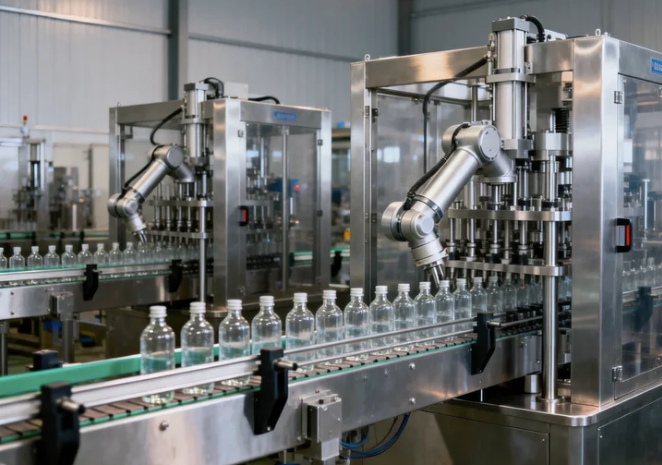
Automation is one of the primary ways in which bottling line equipment increases production efficiency. By automating tasks such as filling, capping, and labeling, bottling lines minimize the need for manual labor, which in turn reduces the potential for human error and improves speed. Automated systems allow for precise control over each step of the process, ensuring that each task is performed quickly and accurately. The reduction of manual interventions also contributes to less downtime and fewer stoppages.
1.1 Integration of Advanced Technologies
Modern bottling line equipment integrates advanced technologies such as sensors, PLCs (programmable logic controllers), and AI-driven systems that can monitor and optimize the bottling process in real time. These technologies help in managing production speeds, adjusting filling levels, and ensuring correct label alignment without constant human input. The result is a more efficient process that maximizes output while maintaining product consistency.
2. Reduced Downtime and Maintenance Costs
Another significant way in which bottling line equipment enhances efficiency is by reducing downtime. Well-maintained, high-quality equipment ensures fewer breakdowns and interruptions during the production process. Many bottling lines now feature self-diagnostic tools that allow operators to detect issues before they cause significant disruptions. Predictive maintenance, supported by IoT (Internet of Things) integration, helps manufacturers anticipate and prevent potential problems by analyzing data collected from the machinery.
2.1 Predictive Maintenance Systems
Bottling line equipment with predictive maintenance capabilities uses sensors to monitor the condition of individual components. These systems predict when parts might need replacing or servicing, thereby preventing sudden equipment failure. By addressing potential issues before they escalate, companies can maintain continuous production, reduce maintenance costs, and extend the life of their bottling equipment.
3. Flexibility and Scalability in Bottling Line Equipment
The flexibility of bottling line equipment also plays a crucial role in enhancing production efficiency. Modern equipment is designed to handle various bottle types, sizes, and product varieties. This versatility allows manufacturers to easily switch between different product lines, which is essential for responding to changing market demands. Whether it’s a new bottle size or a different type of liquid, bottling line equipment can be adjusted to accommodate these changes with minimal downtime.
3.1 Quick Changeover Capabilities
Bottling line equipment often features quick changeover capabilities, allowing for fast adjustments between production runs. This is particularly important in industries where manufacturers need to switch between different types of beverages or packaging formats. By reducing the time spent on reconfiguring the line, manufacturers can run more efficient and diverse production schedules, increasing output without sacrificing quality.
Conclusion
In conclusion, bottling line equipment significantly enhances production efficiency by automating processes, reducing downtime, and offering flexibility in handling various products. The integration of advanced technologies such as predictive maintenance, automated quality control, and quick changeover capabilities ensures that bottling lines can operate smoothly and at high capacity. As industries continue to evolve, the role of bottling line equipment in improving efficiency will remain a key factor in achieving competitive advantages and meeting the demands of a fast-paced market.
0