
目录
For manufacturers in the packaging industry, ensuring the safety standards of can-seaming machines is crucial. The machines must not only meet operational requirements but also adhere to strict safety regulations to prevent accidents, enhance product quality, and guarantee the well-being of operators. This article will explore how can sealing machine manufacturers can ensure compliance with safety standards through design, maintenance, certification, and training.
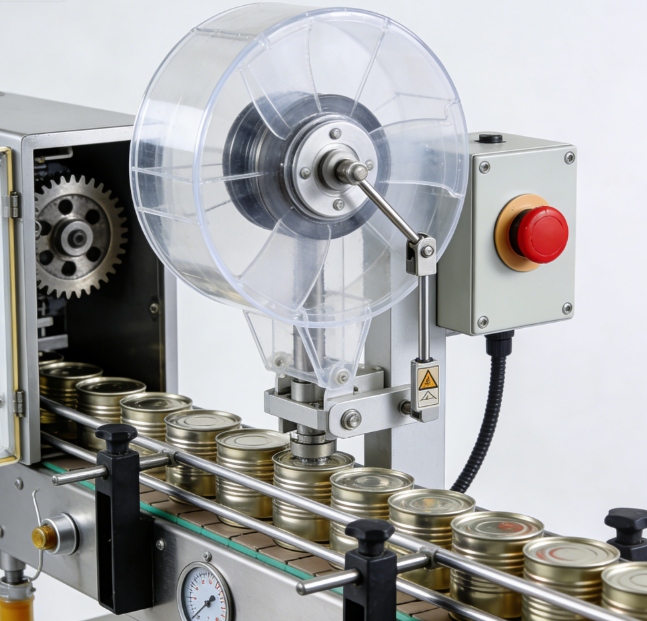
1. Design and Engineering of Safety Features
The first step toward ensuring safety standards is in the design phase. Safety features should be integrated from the outset to reduce risks during operation. Key elements include:
- Emergency Stop Mechanisms: Machines should be equipped with easily accessible emergency stop buttons that immediately halt the operation in case of an emergency. These should be positioned in a way that operators can reach them quickly and easily, reducing the potential for injury.
- Guarding and Shields: To protect operators from moving parts, physical barriers, such as guards or shields, should be installed around critical components like motors, rollers, and conveyors. These safeguards prevent accidental contact with dangerous moving parts.
- Safety Interlocks: Some machines incorporate interlock systems, which automatically shut down the machine when safety doors or panels are opened. This prevents operators from being exposed to hazardous parts while the machine is in operation.
2. Regular Maintenance and Inspection
Ongoing maintenance is vital to ensure the sealing machines operate safely over time. Manufacturers must set up preventive maintenance schedules and adhere to them strictly. This involves:
- Routine Inspections: Frequent checks of machine components for wear and tear can help identify any signs of malfunction or degradation, which might pose a risk to safety. For example, worn-out seals, damaged motors, or rusted parts need immediate replacement to maintain smooth functioning.
- Lubrication and Calibration: Proper lubrication reduces friction, minimizing the risk of overheating and equipment failure. Calibrating the machine to the correct specifications ensures the machine operates within safe parameters, preventing any undue strain on parts that might otherwise break or cause malfunction.
- Software Updates: For machines with computerized controls, manufacturers should ensure the software is regularly updated to address any safety concerns or bugs. This includes improving safety features, adding protective measures, and ensuring that the system operates in accordance with the latest safety guidelines.
3. Adherence to Certifications and Industry Standards
Compliance with recognized safety certifications and standards is a key indicator of a manufacturer’s commitment to safety. These standards help ensure the sealing machines meet or exceed safety requirements. Key certifications include:
- ISO Certification: The ISO 9001 quality management system standard is widely recognized across industries and ensures that manufacturers follow systematic procedures to guarantee safety and quality in their production processes.
- CE Marking: For machines sold in the European Union, the CE marking indicates that the sealing machine meets the required safety, health, and environmental protection standards set by EU legislation.
- UL Listing: The Underwriters Laboratories (UL) listing is particularly important for manufacturers supplying to North American markets, certifying that the machine complies with all electrical and safety standards.
4. Operator Training and Safety Awareness
Even the best-designed can sealing machines can be dangerous without proper training and awareness for the operators. Manufacturers must ensure that all personnel handling the machines are trained in safe operation procedures. Key elements of this training include:
- Operational Training: Operators must be educated on how to use the machine safely, including proper loading techniques, emergency stops, and adjusting machine settings. Hands-on training is essential for familiarizing workers with all machine functions and potential hazards.
- Safety Protocols: Clear instructions on safety protocols, such as the proper use of personal protective equipment (PPE), emergency evacuation plans, and steps to take in case of malfunction, should be included as part of the training program.
- Ongoing Education: Manufacturers should provide continuous learning opportunities, including periodic refresher courses, to ensure that operators stay updated on the latest safety practices, machine updates, and industry regulations.
5. Continuous Monitoring and Feedback
To ensure ongoing safety compliance, it’s important to implement continuous monitoring and feedback mechanisms. This includes:
- Real-Time Monitoring: Modern machines can be equipped with sensors to monitor factors like temperature, pressure, and machine speed. If any of these parameters go beyond safe operating limits, the system can trigger an alert, prompting immediate action.
- Feedback Loops: Gathering feedback from operators, maintenance teams, and safety inspectors helps identify any emerging safety concerns that may not have been apparent during the design phase. This feedback is valuable in improving machine design and safety features.
Conclusion
In summary, can sealing machine manufacturers have multiple ways to ensure their equipment meets stringent safety standards. From the initial design phase through to regular maintenance, adherence to certifications, operator training, and continuous feedback loops, manufacturers play a vital role in preventing accidents and ensuring machine safety. By focusing on these key areas, manufacturers can not only meet regulatory requirements but also enhance operational efficiency and contribute to a safer work environment.
0