
目录
In the rapidly evolving food industry, selecting the right food packaging equipment suppliers is more critical than ever. The right supplier ensures not only the quality and safety of your products but also operational efficiency and long-term cost savings. However, with a vast number of suppliers in the market, it can be overwhelming to identify those that truly meet your business needs. This article provides a step-by-step guide to help food businesses find reliable suppliers who can deliver high-quality equipment and support long-term growth.
1. Clearly Define Your Packaging Requirements
Before reaching out to food packaging equipment suppliers, you must have a precise understanding of your own packaging machinery needs. Consider the following factors:
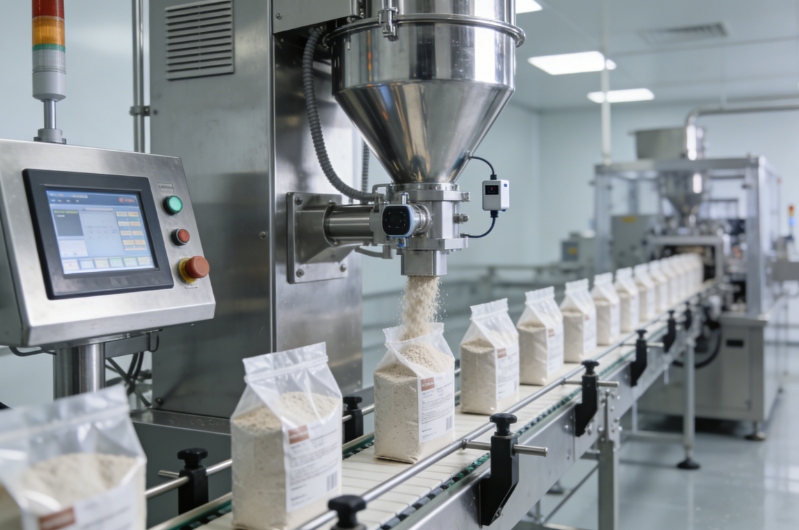
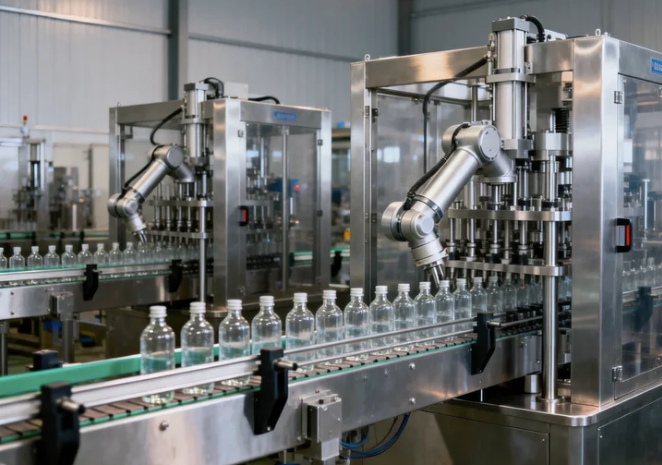
- Product type and packaging style– Are you handling liquids, powders, or perishable items? Certain suppliers specialize in automatic packaging machines, vacuum sealers, bottling machines, or pouch-filling equipment.
- Production volume – High-volume operations may require fully automated packaging lines, whereas small or medium enterprises might prefer semi-automatic or modular packaging systems.
- Operational constraints– Consider space, energy consumption, and integration with existing production lines to avoid future bottlenecks.
- Budget limits– Defining a realistic budget helps narrow down trusted suppliers and ensures that proposals are practical and cost-effective.
A clear understanding of these requirements ensures that your search targets reliable food packaging equipment suppliers who can provide solutions aligned with your production demands and business growth objectives.
2. Evaluate Supplier Capabilities in Detail
Once you have a shortlist, evaluating each food packaging equipment supplier’s technical and operational capabilities is crucial for long-term success:
- Technical expertise and machinery innovation – Assess whether the supplier provides modern, efficient packaging machinery, automatic packaging equipment, or industrial food processing machines that comply with current food safety standards.
- Customization and flexibility – Reliable suppliers often offer tailored packaging solutions, custom machinery designs, or flexible production lines to meet unique production requirements or special packaging formats.
- After-sales support and training – Installation, maintenance, spare parts availability, and operator training are critical to ensure smooth operation, minimal downtime, and continuous production efficiency.
- Production capacity and lead times – Evaluate if the supplier can meet your high-volume production schedules and deadlines without compromising quality, reliability, or consistency.
A supplier with robust technical knowledge, advanced packaging technology, and strong support services ensures your operations remain efficient, compliant, and scalable for future growth.
3. Compare Pricing, Value, and Long-Term Costs
Price itself should not be the decisive factor. When assessing food packaging equipment suppliers, consider:
- Total cost of ownership – Factor in installation, maintenance, spare parts, and operational efficiency. A lower initial price may lead to higher long-term costs.
- Warranty and service guarantees – Suppliers offering extended warranties and responsive service reduce the risk of unexpected expenses.
- Energy efficiency and durability – Machines that consume less energy and require fewer repairs provide better return on investment.
- Reputation for reliability – Sometimes paying slightly more for a trusted supplier ensures consistent production and avoids costly disruptions.
Balancing cost with long-term value is essential to making a strategic investment in your production line.
4. Verify Compliance, Certifications, and Reliability
Ensuring that your food packaging equipment suppliers meet industry standards and are trustworthy is a critical final step:
- Regulatory compliance and certifications – Look for ISO, CE, FDA, or other relevant certifications that demonstrate adherence to safety and quality standards.
- Customer feedback and references – Reach out to previous clients to confirm the supplier’s reliability, service quality, and adherence to delivery schedules.
- Trial runs or sample orders – Testing equipment on a small scale before committing to a large purchase helps mitigate risks.
- Transparent contracts and terms – Ensure clear agreements on delivery, maintenance, and warranties to avoid disputes later.
Verifying these factors ensures that your investment is protected and the equipment performs as expected.
Conclusion
Finding reliable food packaging equipment suppliers requires a strategic, structured approach. By clearly defining your requirements, evaluating capabilities, comparing pricing and value, and verifying compliance and reliability, businesses can secure suppliers who deliver both high-quality equipment and long-term support. The right partnership not only enhances operational efficiency but also safeguards product quality, reduces costs, and contributes to the overall growth and competitiveness of your food business.
0