
目录
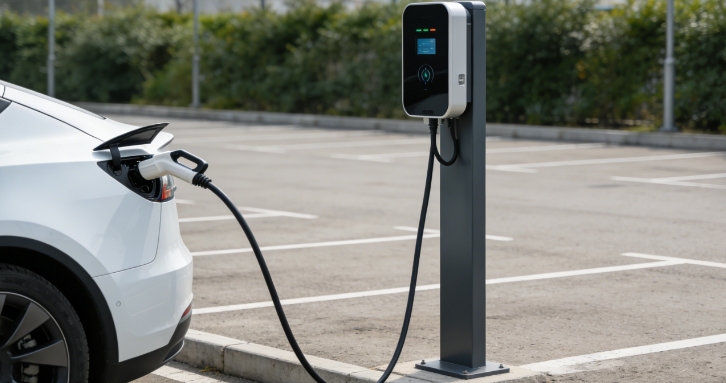
In Europe and many other regions, the Type2 charging cable is one of the most widely used charging accessories. However, many EV owners still raise an important question: Is the Type2 charging cable compatible with all electric vehicles? Charging cable compatibility depends on various factors, such as the vehicle model, charging standards, and regional infrastructure. Understanding how this type of charging cable works can help you make more informed decisions when selecting the right charging solution for your vehicle.
Understanding type2 charging cable Compatibility
The type2 charging cable, also known as the Mennekes connector, is widely recognized as the standard charging interface in Europe and is increasingly adopted globally. However, compatibility depends on several key aspects:
- Vehicle charging port type: Not all electric vehicles use the same connector. Some EVs are designed with Type 1 (J1772) ports, especially in older models or vehicles from certain regions, while newer models commonly support Type 2 or even CCS (Combined Charging System).
- Regional standards: In Europe, Type 2 is the standard for AC charging, which means most public charging stations support it. In contrast, North America still relies heavily on Type 1 connectors, making direct compatibility less universal.
- Charging station support: Even if your vehicle supports Type 2, the availability of compatible charging stations determines how effectively you can use the cable in real-world scenarios.
Key Factors That Affect Compatibility
When determining whether a type2 charging cable works with your electric car, consider the following important elements:
- Charging mode and power level: Type 2 cables are typically used for AC charging. If your EV only supports DC fast charging or uses a different protocol, the cable may not be directly usable.
- Adapter usage: In some cases, adapters can bridge the gap between different connector types. For example, a Type 1 to Type 2 adapter allows cross-compatibility, although it may slightly reduce charging efficiency or speed.
- Vehicle manufacturer specifications: Different automakers design their vehicles with specific charging systems. Always refer to your vehicle’s manual to confirm whether it supports Type 2 charging.
- Cable ratings and capacity: Not all type2 charging cables are the same. Some are rated for higher amperage (e.g., 16A, 32A), which affects how fast your car can charge and whether the cable is suitable for your EV.
Advantages of Using a type2 charging cable
Despite compatibility limitations, the type2 charging cable offers several advantages that make it a popular choice among EV users:
- Wide adoption in public infrastructure: Many charging stations, especially in Europe and commercial locations, are equipped with Type 2 connectors, making this cable highly practical.
- Efficient AC charging: Type 2 cables support efficient alternating current charging, which is ideal for home and workplace charging setups.
- Durability and safety features: High-quality type2 charging cable products are built with weather-resistant materials and include safety mechanisms such as overcurrent protection and temperature control.
- Flexible usage scenarios: Whether you are charging at home, at work, or in public parking areas, a Type 2 cable can often meet your daily charging needs if your vehicle supports it.
Limitations and Common Misconceptions
Although the type2 charging cable is widely used, it is important to understand its limitations:
- Not universally compatible: As mentioned earlier, not all EVs support Type 2 charging directly, particularly older or region-specific models.
- Charging speed limitations: A Type 2 cable is typically used for AC charging, which is slower compared to DC fast charging options like CCS or CHAdeMO.
- Misunderstanding of “universal” use: Many users assume that a type2 charging cable works with all electric cars, but in reality, compatibility depends on both the vehicle and the charging infrastructure.
- Need for additional accessories: In some cases, you may need adapters or dual-compatible charging cables to ensure full usability.
Conclusion
In conclusion, a type2 charging cable is not universally compatible with all electric cars, but it is one of the most widely supported and practical charging solutions available today. Its compatibility largely depends on your vehicle’s charging port, regional standards, and the type of charging station you use. While it offers excellent convenience, efficiency, and safety for many EV owners, it is essential to verify your car’s specifications before purchasing or relying on a Type 2 cable. By understanding these factors, you can ensure a more seamless and efficient charging experience for your electric vehicle.
0