

目录
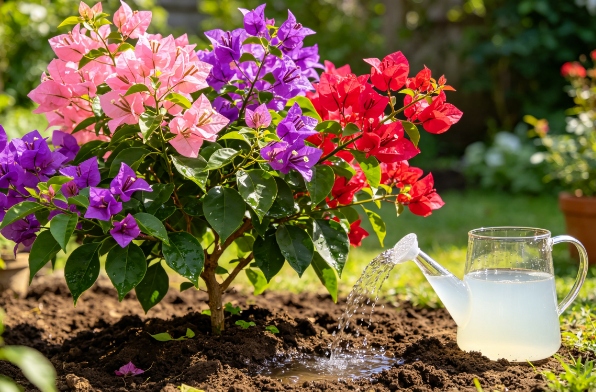
The multicolored bougainvillea is a vibrant ornamental plant widely appreciated for its brilliant bracts in shades of pink, purple, red, orange, and white. Gardeners often look for simple and effective ways to enhance their flowering performance and overall health, and Epsom salt is one of the most commonly discussed natural supplements. Composed mainly of magnesium sulfate, Epsom salt plays an important role in plant nutrition, especially for flowering species like multicolored bougainvillea. When used correctly, it can improve foliage color, support stronger blooming cycles, and enhance nutrient absorption, making the plant more vigorous and visually striking.
How Epsom Salt Supports Nutrient Absorption
Epsom salt primarily benefits multicolor bougainvillea by improving the plant’s ability to absorb essential nutrients from the soil, which directly influences growth and flowering performance.
- Enhances magnesium availability for photosynthesis
Magnesium is a core component of chlorophyll, and chlorophyll is responsible for carrying out photosynthesis. When multicolor bougainvillea receives adequate magnesium, its leaves become greener and more efficient at converting sunlight into energy, supporting stronger overall growth. - Improves uptake of phosphorus and nitrogen
Balanced magnesium levels help the plant absorb other key nutrients more effectively. This indirectly supports flower formation, since phosphorus is essential for blooming, while nitrogen supports healthy foliage development. - Prevents nutrient lockout in poor soils
In nutrient-deficient or compacted soils, plants often struggle to absorb minerals. Epsom salt helps correct this imbalance, ensuring multicolor bougainvillea maintains steady nutrient intake.
Impact of Epsom Salt on Flowering Performance
One of the main reasons gardeners use Epsom salt on multicolored bougainvillea is its positive influence on flowering intensity and frequency.
- Encourages more vibrant bract coloration
Magnesium helps promote the formation of pigments within the bracts, thereby enabling multicolored bougainvillea to display deeper, more vibrant hues—particularly in red, purple, and pink tones. - Stimulates stronger blooming cycles
When nutrient levels are in equilibrium, plants are able to allocate more energy to flowering—rather than solely to leaf growth—thereby achieving more frequent flowering cycles. - Reduces flower drop caused by stress
Magnesium deficiency can lead to weak blooms that drop prematurely. Epsom salt helps stabilize plant health, allowing flowers to remain longer on the plant. - Supports bud formation in active growth seasons
During spring and summer, applying Epsom salt can enhance the development of new buds, increasing overall floral density.
Effects on Leaf Health and Plant Vigor
Beyond flowering, Epsom salt also improves the overall physical condition of multicolor bougainvillea, particularly its foliage and structural strength.
Promotes lush and deep green leaves
Adequate magnesium enhances chlorophyll production, resulting in healthier, more vibrant leaves that improve the plant’s ornamental value.
Helps reduce yellowing caused by deficiency
Yellow leaves are often a sign of magnesium deficiency. Yellowing leaves are commonly an indication that the plant is lacking magnesium. Regular but controlled supplementation can restore natural leaf color.
Strengthens overall plant resilience
A well-nourished multicolored bougainvillea is better equipped to resist environmental stress such as heat, drought, or minor pest pressure.
Encourages balanced vegetative growth
Instead of excessively weak foliage, the plant develops more structured and sturdy branches that support long-term flowering.
Proper Application Methods and Precautions
Although Epsom salt can benefit multicolor bougainvillea, correct usage is essential to avoid over-application and soil imbalance.
- Dilution in water for soil application
A common method is dissolving Epsom salt in water and applying it directly to the soil. This ensures even distribution and better absorption by the roots. - Foliar spray for quick absorption
Spraying a diluted solution on leaves allows faster nutrient uptake, especially when the plant shows visible deficiency symptoms. - Controlled frequency of application
It is typically applied once every 4–6 weeks during the growing season. Excessive use may lead to the accumulation of minerals in the soil. - Avoiding use in already nutrient-rich soil
If the soil already contains sufficient magnesium, additional Epsom salt may disrupt nutrient balance rather than improve plant health.
When and Why Epsom Salt Works Best
The effectiveness of Epsom salt on multicolor bougainvillea depends on environmental conditions, soil quality, and plant health status.
- Most effective during active growing seasons
Spring and summer are ideal times for application, as the plant is actively producing new growth and flowers. - Beneficial in magnesium-deficient soils
Sandy or heavily leached soils often lack magnesium, making supplementation more impactful. - Works best under full sunlight conditions
Since bougainvillea thrives in strong sunlight, combining proper light exposure with nutrient support maximizes results. - Less effective if other nutrients are unbalanced
If phosphorus, potassium, or soil pH levels are improper, Epsom salt alone will not significantly improve flowering.
Conclusion
Epsom salt can be a valuable supplement for enhancing the health and appearance of multicolored bougainvillea when used correctly. By providing essential magnesium, it supports photosynthesis, improves nutrient absorption, enhances flower color, and promotes stronger blooming cycles. However, it should be applied in moderation and as part of a balanced care routine, including proper sunlight, watering, and soil management. When integrated thoughtfully, Epsom salt helps multicolor bougainvillea achieve more vibrant colors and healthier growth, making it an effective tool for gardeners aiming to maximize ornamental performance.
0