
目录
Sink clogging is not uncommon in households and can create difficulties. It may result in slow draining of water, water pooling, or water not flowing at all. However, the problem of sink clogging can be solved by using very simple tools and techniques. In the first place, it is necessary to understand the cause of this problem and the ways to eliminate it. One should start with the simplest means of solving the problem and proceed to the most complicated ones.
What Causes a Sink to Become Clogged?
Common Causes of Sink Blockages
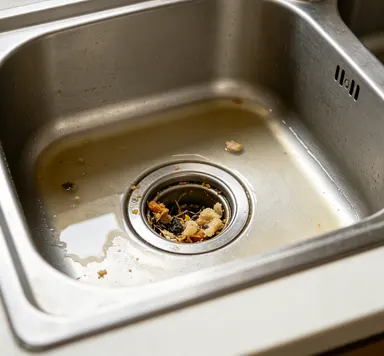
It is important to know the materials that usually cause clogging depending on the type of sink. The following materials can be present in the pipes of a kitchen sink: grease, food debris, coffee grounds, and soap. The bathroom sink is mostly filled with hair, toothpaste, and soap scum. One should pay particular attention to the grease because it becomes liquid at high temperatures and solid at low temperatures.
How to Identify the Severity of a Clog
The rate at which water drains from the sink helps to show the level of the blockage. If water drains within a few seconds but more slowly than normal, the blockage may still not be that big. On the other hand, if the basin takes several minutes to empty, then the blockage is bigger. When the sink is fully clogged, a new method must be used. If the water also rises in another fixture and more than one drain seems to be clogged, then the problem might have spread beyond the clogged sink.
What Tools Do You Need to Unclog a Sink?
Basic Tools for Sink Drain Cleaning
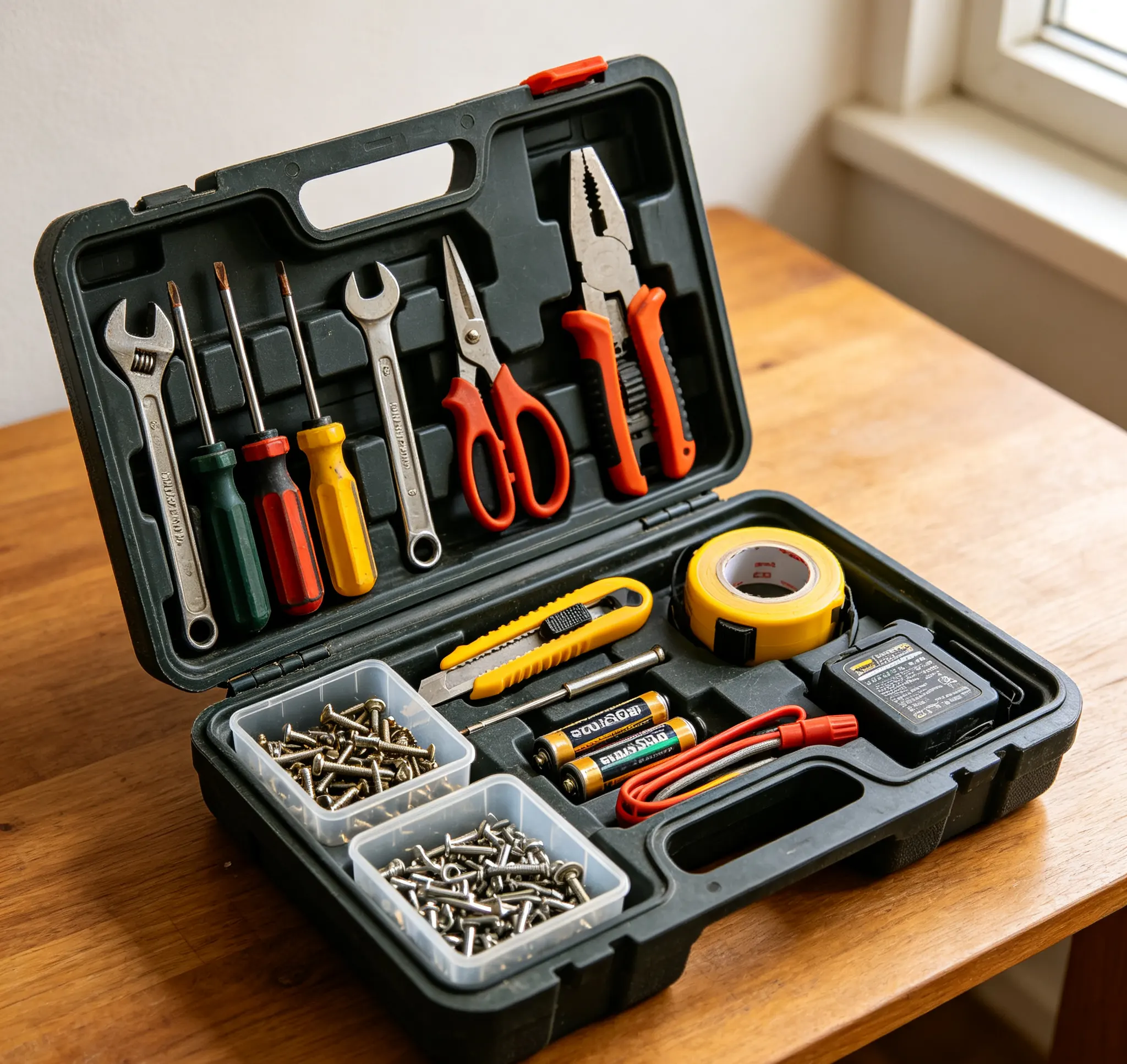
Most minor blockages can be addressed with a few inexpensive household tools:
- Rubber gloves for protecting your hands
- Bucket for collecting water
- Old cloth for wiping and sealing openings
- Plunger for pressure-based clearing
- Adjustable wrench for removing the P-trap
- Drain snake for reaching deeper blockages
- Flashlight for inspecting the drain area
A 5-10 liter capacity bucket will come in handy when unclogging a P-trap, as some water might leak out when you remove the pipes.
When to Use a Plunger or Drain Snake
The plunger is best suited for clearing a clog that is not far from the drain and can be cleared using the change in water pressure. However, the drain snake is best used for removing obstructions that are far from the drain end. The two methods are different since one creates a change in water pressure and suction, while the other breaks down the clog. Choosing the simpler tool first reduces unnecessary disassembly.
How to Unclog a Sink Without Calling a Plumber?
1. Remove Visible Debris From the Drain
The next procedure is based on the simplest approach. First of all, take off the drain cover or stopper and shine a flashlight inside the pipe. Then clean the opening of visible hair, food, and other materials using gloves or a convenient cleaning agent. You should not push these items deeper into the pipe. Then check the condition of drainage by running a bit of water. If there is still water, proceed to the next step without washing the sink repeatedly.
2. Flush the Drain With Hot Water
In some cases, the hot water flush can be used to remove grease and soap residues. You need to pour about 1-2 liters of hot water into the pipe. The temperature of the water must be quite high. In addition, very hot water can destroy plastic elements of the pipe or even the sealant. You should consider the recommendations regarding the pipe material that was used in your case. Before that, you need to clear the sink of water.
3. Use Baking Soda and Vinegar
For the removal of light organic matter from inside the drain, baking soda and vinegar might be used. In the first place, one should drain the water out of the pipe, put 100 grams of baking soda in it, and add 120-250 ml of white vinegar to it. Due to the interaction of acid and base, the foaming process occurs, lasting for 10-15 minutes. Then it is necessary to flush the drain with warm water to wash out the disintegrated material. This method works well in case of loose clogs, but not hard objects.
4. Unclog the Drain With a Plunger
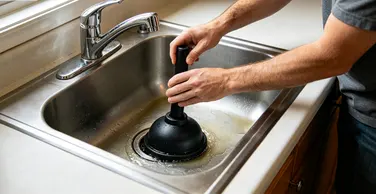
If the blockage persists, a sink plunger should be used to exert mechanical pressure on the obstruction. First, it is necessary to add water to the sink basin to make sure that it reaches the rubber cup, and then place the plunger directly on top of the drain hole,e creating a seal. Plunge for approximately 15–20 seconds and check whether the water drains normally after removing the plunger. If not, repeat the operation several times.
For a double-basin kitchen sink, seal the other drain with a wet cloth or plug. This will help ensure that the pressure is exerted on the clogged drain instead of escaping via the other drain.
5. Clean the P-Trap
The P-trap is the bent pipe under the sink where water is retained to prevent any sewer gas entry into the room. It may also contain food debris, grease, hair, or other solid material. Put a bucket below the trap before removing the connections, then pull out the bent pipe and let the water inside drain out to the bucket. Scrub the pipe inside and check for damage on the washers or seals.
After the wash is over, attach the P-trap and turn on the water in order to determine whether there are any leaks within 30-60 seconds. If there are any leaks from the connections, turn off the water supply first and check the seal before reattaching or reconnecting the parts.
6. Use a Drain Snake for Deeper Blockages
If the clog lies past the P-trap, the use of a drain snake is recommended. Insert the cable slowly and rotate the handle at the same time. When you feel resistance, keep on rotating until the cable touches the object, a nd then retract the cable to clear or break the obstruction. Be careful not to force the drain snake too hard, especially in old plumbing.
If you manage to get rid of the blockage, run water slowly and test whether the sink drains fine. When the sink still backs up despite several attempts, the clog is likely located further into the drainage system.
Conclusion
Unclogging a sink without hiring a plumber is easy when the issue is a local and manageable blockage. Begin by getting rid of any visible obstruction, and then attempt using hot water, mild cleaner, a plunger, or a P-trap. As a last resort, use a drain snake to clear the sink. Every single one of these methods tackles different types of obstructions.
You could minimize your chances of having future clogs by maintaining the drain regularly. Avoid flushing down grease, food, coffee grounds, hair, and other solid items, and identify signs of slow draining before your pipe gets clogged. However, frequent backups, more than one fixture backing up, pipe damage, and persistent leakages suggest a bigger plumbing issue.
0