

目录
LED traffic light systems are a modern type of traffic signal that uses light-emitting diodes (LEDs) instead of traditional incandescent or halogen bulbs. LEDs are semiconductor devices that emit light when an electric current passes through them.
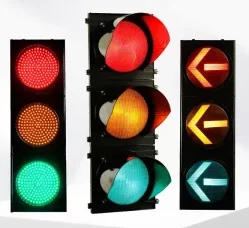
LED traffic lights consist of multiple LEDs arranged in clusters to form red, yellow, and green signals.
Key Advantages of LED Traffic Light Systems
The adoption of LED traffic light systems offers several significant benefits, which is why they are replacing traditional signal lights in cities worldwide. Let’s break down some of the most notable advantages:
1. Energy Efficiency
One of the most prominent reasons for the rise of LED traffic light systems is their superior energy efficiency. LEDs consume far less power than traditional incandescent bulbs.
For example, an LED light can use up to 80% less electricity than a conventional traffic light, reducing both energy costs and environmental impact. Over the long term, this energy saving translates into considerable savings for municipalities that rely on traffic lights.
2. Longer Lifespan
LED traffic light systems also have a significantly longer lifespan compared to traditional bulbs. Whereas incandescent traffic lights typically last around 1,000 hours, LED lights can last anywhere between 50,000 to 100,000 hours. This durability reduces the need for frequent replacements, leading to lower maintenance costs and fewer traffic disruptions caused by broken or malfunctioning lights.
The extended lifespan also means that LED systems require less labor for replacement, which is particularly important for municipalities managing thousands of traffic lights.
3. Better Visibility and Brightness
Another key benefit of LED traffic light systems is their ability to provide brighter, clearer signals, especially in adverse weather conditions. Incandescent bulbs tend to dim over time, whereas LED traffic lights maintain their brightness consistently throughout their lifespan.
Additionally, LEDs are more visible in fog, rain, and direct sunlight, making them safer for both drivers and pedestrians. The sharper, more defined light ensures that drivers can see the signal from a greater distance, improving overall traffic safety.
4. Environmentally Friendly
LEDs are considered more environmentally friendly than traditional traffic lights because they do not contain hazardous materials like mercury, which is often found in fluorescent lights.
The reduced environmental impact is a significant factor in the growing adoption of LED traffic light systems.
Since they are more energy-efficient and have a longer lifespan, LED traffic lights help reduce both waste and carbon emissions. This is in line with the global push toward greener infrastructure solutions.
5. Cost Savings
Although the initial installation cost of LED traffic light systems may be higher than traditional bulbs, the long-term savings are substantial.
The combination of lower energy consumption, fewer replacements, and reduced maintenance costs leads to significant savings for municipalities and cities.
Over time, the return on investment becomes clear, especially as traditional traffic lights require frequent bulb changes and higher energy usage.
How LED Traffic Light Systems Improve Traffic Flow
In addition to their safety and environmental benefits, LED traffic light systems can also play a significant role in improving overall traffic flow. Here’s how:
- Adaptive Traffic Control: Some advanced LED traffic light systems are connected to traffic sensors and cameras that monitor the flow of vehicles. These systems can dynamically adjust the timing of the lights based on traffic conditions, such as rush hour or special events, ensuring that traffic moves as efficiently as possible.
- Reduced Wait Times: With their brighter lights and better visibility, LED signals help reduce the time drivers spend waiting at red lights. This is particularly beneficial in urban areas with frequent stops and starts, as it keeps traffic moving smoothly, reducing fuel consumption and lowering emissions.
- Synchronization: Many cities now use LED traffic light systems in conjunction with coordinated signal timing. When traffic lights are synchronized, drivers experience fewer stops, which makes commuting faster and more fuel-efficient.
Considerations for Implementing LED Traffic Light Systems
Despite their clear advantages, there are a few factors to consider when implementing LED traffic light systems:
- Initial Cost: The initial investment for upgrading to LED systems can be high. However, the long-term savings in energy consumption and maintenance typically outweigh the initial cost.
- Compatibility: In some cases, older traffic signal infrastructure may need to be upgraded to accommodate LED lights. While this can add to the initial expense, the transition is often worth it in the long run.
- Installation Time: Replacing traditional bulbs with LED traffic light systems can take time, especially in large cities with many intersections. Traffic authorities should plan for minimal disruption during the installation process.
Conclusion
LED traffic light systems offer an array of advantages that make them a smart choice for cities aiming to improve traffic management, reduce energy costs, and enhance safety.
0