
目录
A traffic signal timer regulates the flow of vehicles and pedestrians. It ensures that drivers know when to stop and when to proceed, minimizing confusion and reckless behavior. Consistent signal timing helps avoid collisions caused by sudden lane changes or hesitation.
Preventing Intersection Collisions
Intersections are where most road accidents occur, often due to misjudged movements or aggressive driving. Properly calibrated traffic signal timers reduce these risks.
- By maintaining a steady light pattern, drivers can anticipate signal changes and adjust speed safely.
- The yellow phase gives clear warning time to slow down before the red light.
- Pedestrians benefit from predictable crossing intervals that prevent conflicts with turning vehicles.
These coordinated elements work together to reduce accidents and promote safer habits for everyone on the road.
Improving Pedestrian Safety
Pedestrians are among the most vulnerable road users. A well-programmed traffic signal timer provides designated walking intervals, allowing people to cross safely without interference from vehicles.
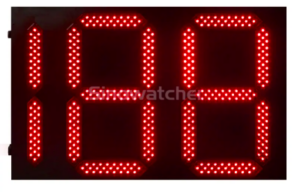
Many modern intersections now include countdown timers that show how many seconds remain for crossing. This feature reduces uncertainty and prevents pedestrians from rushing or stepping into traffic during transitions.
In school zones or areas with heavy foot traffic, timers can be adjusted to extend crossing durations during specific hours, making safety more responsive to real conditions.
Supporting Emergency and Public Transport Flow
A traffic signal timer not only ensures safety for ordinary vehicles but also plays a key role in managing emergency responses.
- Smart systems can give priority to ambulances, fire trucks, or police cars by adjusting the signal pattern ahead of their route.
- Public buses can receive extended green signals to maintain schedules and prevent road blockage.
These intelligent adjustments reduce delays for essential services while keeping other road users informed and safe.
Consistency and Driver Behavior
Consistency in traffic signal timing helps develop predictable driving behavior. When drivers trust that a traffic signal timer will operate reliably, they are less likely to take risks such as running red lights.
Even slight irregularities in timing can confuse drivers and lead to hesitation or speeding through yellow lights. That’s why maintaining accurate timing calibration is essential for long-term safety and efficiency.
Integration with Smart Technology
Today’s traffic signal timers are no longer isolated systems. Many are integrated into smart traffic management networks that collect real-time data from sensors and cameras.
These networks adjust timing patterns to reflect changing conditions—longer green lights during rush hour, for instance, or shorter cycles at night when roads are less crowded.
This adaptive approach not only improves flow but also enhances safety by minimizing congestion-related risks like rear-end collisions or aggressive lane changes.
Reducing Driver Stress and Environmental Risks
Predictable traffic patterns created by efficient traffic signal timers reduce driver frustration. When movement feels orderly, there’s less road rage and fewer impulsive decisions.
In addition, smoother traffic flow leads to lower fuel consumption and emissions, contributing to environmental safety. A timer that prevents excessive idling at intersections can reduce air pollution and noise—benefits that extend beyond road safety itself.
Conclusion
A traffic signal timer is much more than a tool for managing lights—it’s a system for saving lives. By providing consistency, predictability, and adaptability, it keeps intersections safe for both drivers and pedestrians.
0