
目录
With rising energy costs and growing environmental awareness, more households are turning to a smart home energy system as a practical solution for managing electricity consumption. These systems not only provide real-time insights into energy usage but also enable automated control that helps reduce waste and improve efficiency. By combining smart devices with data-driven intelligence, homeowners can make better decisions about how and when energy is used. This article explores how such a system works through a clear, step-by-step workflow.
What Is a Smart Home Energy System?
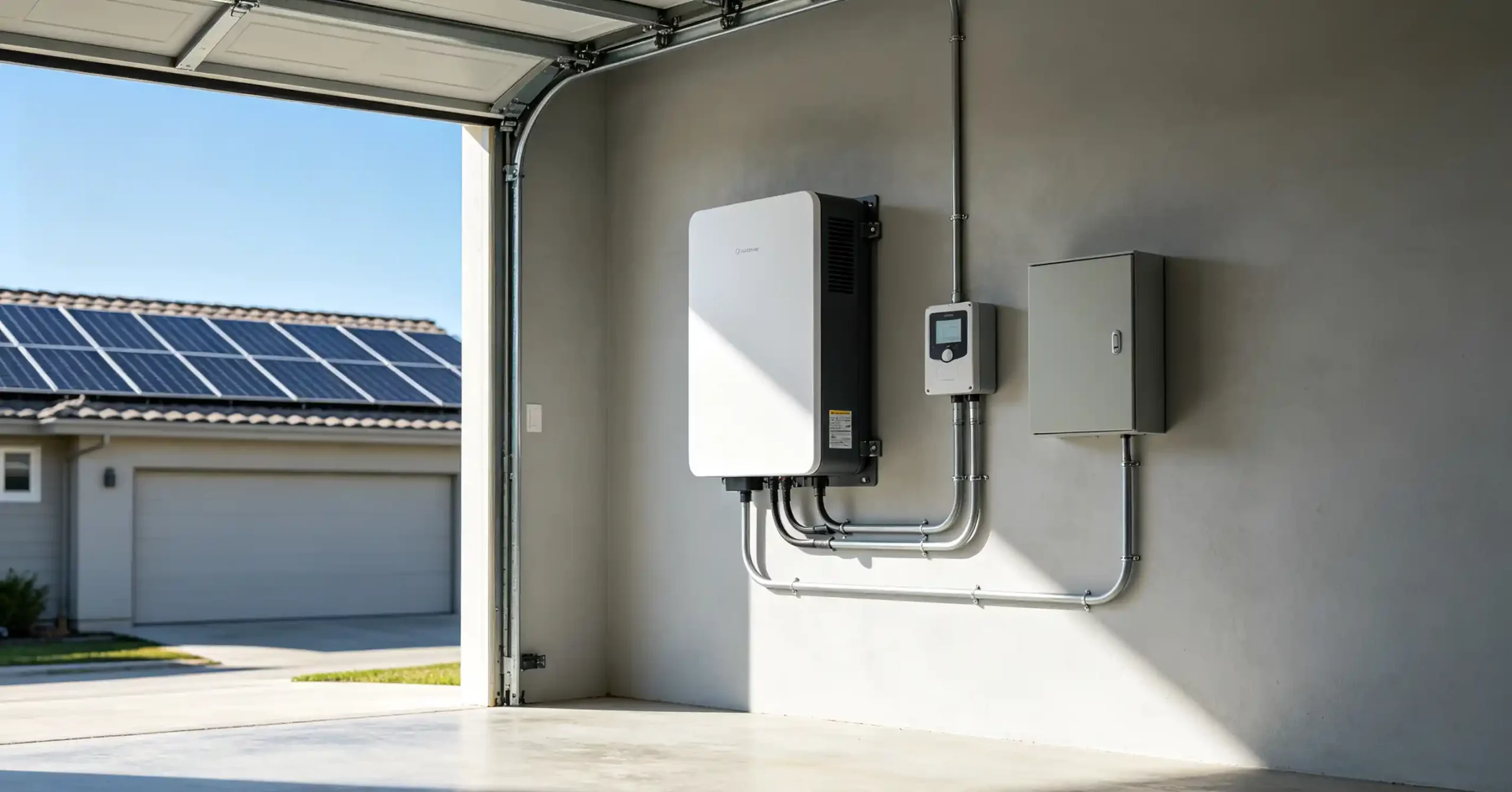
A smart home energy system is an advanced home energy management solution that integrates IoT (Internet of Things), data analytics, and automation technologies into a unified platform. It connects household appliances, smart meters, sensors, and renewable energy sources like solar panels to create a fully interactive energy ecosystem. Through this integration, users can monitor, analyze, and optimize their energy consumption in real time, improving both efficiency and sustainability without requiring constant manual intervention.
Core Workflow of a Smart Home Energy System
A typical smart home energy system operates through the following key steps:
1. Data Collection
The system gathers energy usage data through smart meters, sensors, and connected devices, including:
- Real-time electricity consumption
- Energy usage by individual appliances
- Environmental data (temperature, humidity, etc.)
This data forms the foundation of the smart home energy system.
2. Data Transmission
Once the data is collected, it is transmitted through communication protocols such as Wi-Fi, Zigbee, or Bluetooth to a central hub, edge device, or cloud-based platform. A smart home energy system relies on stable and low-latency data transmission to ensure that information flows continuously and accurately between devices. In more advanced setups, edge computing may be used to process critical data locally, reducing response time for real-time control actions. Secure data encryption and reliable network architecture are also essential at this stage, as they protect user privacy while maintaining system stability and performance.
3. Data Analysis
At this stage, algorithms analyze the data to identify:
- Peak energy usage periods
- Energy waste patterns
- User behavior trends
Through this analysis, the smart home energy system identifies opportunities to improve efficiency.
4. Smart Decision-Making
Based on insights, the system automatically generates optimization strategies, such as:
- Running appliances during off-peak hours
- Adjusting air conditioning settings automatically
- Prioritizing renewable energy sources like solar power
This is the core of how a smart home energy system saves energy.
5. Automation & Control
The system converts decisions into actions via smart plugs, controllers, and connected devices, enabling full automation.
Examples include:
- Turning off standby devices
- Adjusting lighting systems
- Scheduling appliance operation
6. User Feedback & Optimization
User interaction plays a vital role in refining system performance over time. Through mobile apps or web dashboards, users can view detailed energy reports, set preferences, and manually adjust device behavior when needed. A smart home energy system continuously learns from both user input and historical data, applying machine learning algorithms to improve future energy management strategies. Over time, this adaptive capability allows the system to better predict usage patterns, recommend energy-saving actions, and automatically fine-tune operations to align with user habits, ultimately delivering a more personalized and efficient energy experience.
Benefits of a Smart Home Energy System
Implementing a smart home energy system offers multiple advantages that go beyond basic energy monitoring. By leveraging real-time data and intelligent automation, homeowners can achieve better control over their electricity usage while improving overall efficiency.
- Reduced energy costs through optimized usage, such as shifting consumption to off-peak hours and minimizing unnecessary power waste
- Improved convenience with automation, allowing devices to operate based on schedules, conditions, or user preferences without manual input
- Sustainability by lowering carbon emissions and maximizing the use of renewable energy sources like solar power
- Real-time visibility into household energy consumption, enabling users to quickly identify high-energy devices and make informed adjustments
How to Build an Efficient Smart Home Energy System
To set up your own smart home energy system, it’s important to focus on both compatibility and scalability to ensure long-term performance and flexibility.
- Choose compatible smart devices that can seamlessly communicate within the same ecosystem
- Install smart meters and sensors first, as they provide the essential data needed for accurate monitoring and control
- Ensure stable network connectivity, since reliable communication is critical for real-time system response
- Integrate renewable energy sources like solar to enhance energy independence and reduce reliance on the grid
- Use platforms with strong data analytics capabilities to gain insights and continuously optimize system performance over time
Recommended Product: IVGM8~25kW-P3G3
When building an efficient smart home energy system, choosing the right core equipment is essential. The IVGM8~25kW-P3G3 series from Felicity Solar is designed for residential and small commercial applications, offering high energy conversion efficiency, stable performance, and intelligent management features.
This series supports multiple operating modes to meet diverse household energy needs and is compatible with solar systems for maximum energy utilization. In addition, its smart monitoring capabilities enable seamless integration with your setup, helping users achieve more precise energy management and control.
Conclusion
From the steps above, it’s clear that a smart home energy system is more than just a collection of devices—it’s a complete closed-loop system covering data collection, intelligent decision-making, and automated execution. As technology continues to evolve, future systems will become even smarter and more efficient.
0