

目录
The ligustrum tree is a widely used ornamental plant in landscaping due to its fast growth, dense foliage, and strong adaptability to different environments. It is commonly seen in gardens, parks, roadsides, and residential areas where it serves both decorative and functional purposes. Many homeowners and landscape designers choose this plant because it can quickly form hedges, privacy screens, and green boundaries with minimal maintenance. Beyond its aesthetic appeal, the ligustrum tree offers a range of environmental, practical, and ecological benefits. Understanding these advantages can help gardeners make better decisions when planning outdoor spaces and long-term landscape designs.
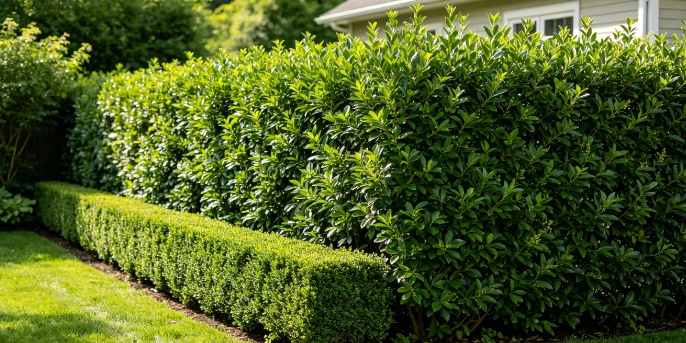
Fast Growth and Effective Landscape Coverage
One of the most appreciated benefits of the ligustrum tree is its rapid growth rate, which makes it ideal for creating greenery in a short period of time.
Key growth advantages include:
- Quick hedge formation
The ligustrum tree can develop into a dense hedge relatively fast, making it suitable for privacy screening around homes and gardens. - Rapid recovery after pruning
Even after heavy trimming, it quickly regrows, allowing for easy shaping and long-term maintenance control. - Efficient space coverage
Its bushy growth pattern helps cover empty areas in landscapes, improving visual balance and greenery density. - Seasonal stability in growth
In most climates, it maintains consistent growth patterns during warm seasons, supporting predictable landscape planning.
Because of these traits, it is often chosen for projects that require fast and reliable greenery establishment.
Environmental and Ecological Contributions
Privet trees also play a significant role in improving environmental quality, particularly in urban and suburban areas where green space resources are limited.
Environmental benefits include:
Air Quality Improvement
- The dense leaves help absorb dust and airborne particles, contributing to cleaner surroundings.
Oxygen Production
- Like many green plants, it supports oxygen release through photosynthesis, improving local air balance.
Noise Reduction
- When planted as a hedge, it can act as a natural barrier that helps reduce traffic or street noise.
Habitat Support
- The foliage provides shelter for small birds and insects, supporting local biodiversity.
These ecological functions make the ligustrum tree a practical choice for sustainable landscaping.
Low Maintenance and Cost Efficiency
Another major advantage of planting a ligustrum tree is its relatively low maintenance requirement, which makes it suitable for both beginners and professional gardeners.
Key maintenance-related benefits include:
- Minimal watering needs after establishment
Once mature, the plant becomes fairly drought-tolerant and does not require frequent irrigation. - Adaptability to different soil types
It can grow in sandy, loamy, or slightly clay-based soil as long as drainage is adequate. - Simple pruning requirements
Regular trimming helps maintain shape, but the tree is not difficult to manage compared to more delicate plants. - Reduced landscaping costs
Its durability and fast growth reduce the need for frequent replacement or intensive care.
This combination of strength and simplicity makes it a cost-effective choice for large-scale landscaping projects.
Aesthetic Value and Design Flexibility
The ligustrum tree is also highly valued for its visual appeal and versatility in landscape design. Its dense green leaves and structured growth pattern make it suitable for various decorative uses.
Design advantages include:
- Formal and informal styling options
It can be shaped into neat hedges or left to grow naturally for a softer landscape look. - Year-round greenery
In many climates, it maintains green foliage throughout most of the year, ensuring a consistent visual appeal. - Compatibility with other plants
It blends well with flowers, shrubs, and trees, making it easy to integrate into diverse garden designs. - Architectural landscaping use
Often used to define borders, pathways, and outdoor spaces in residential and commercial projects.
Its flexibility allows designers to use it in both modern and traditional landscape styles.
Functional Benefits for Privacy and Protection
Beyond decoration, the ligustrum tree provides important functional benefits, especially in residential and urban environments.
Practical uses include:
- Privacy screening
Dense foliage creates natural barriers that block visibility from outside areas. - Wind protection
When planted in rows, it helps reduce wind impact on gardens and outdoor spaces. - Boundary definition
It clearly marks property lines without the need for artificial fencing. - Security enhancement
Thick hedges can discourage unwanted access and improve overall property safety perception.
These functional roles make it more than just an ornamental plant, turning it into a practical landscape solution.
Conclusion
The ligustrum tree offers a wide range of benefits, making it one of the most versatile plants in modern landscaping. Its fast growth, environmental contributions, low maintenance requirements, aesthetic flexibility, and functional uses all contribute to its popularity among gardeners and designers. Whether used for privacy hedges, decorative shaping, or ecological improvement, it provides long-term value with minimal effort. As urban and residential spaces continue to prioritize green solutions, the ligustrum tree remains a reliable and effective choice for creating attractive and functional outdoor environments.
0