
目录
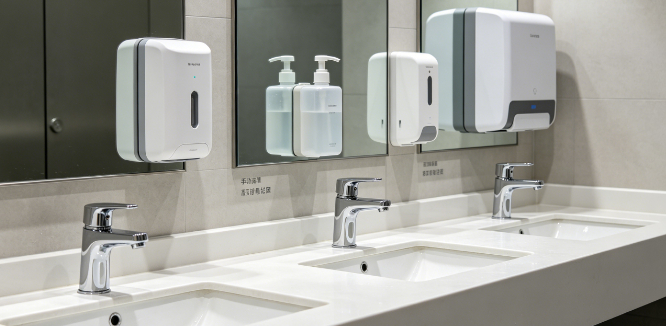
In modern office buildings, maintaining a clean, hygienic, and professional restroom environment is essential for employee well-being and visitor experience. One of the most important hygiene fixtures in these spaces is the soap dispensing system. Choosing the right soap dispenser is not only about design but also about functionality, durability, maintenance efficiency, and long-term cost control. With different models available on the market, office managers must carefully evaluate usage needs, traffic levels, and installation environments before making a decision. In many cases, consulting a professional soap dispenser manufacturer helps ensure that the selected products meet both hygiene standards and operational requirements.
Evaluate Usage Frequency and Office Traffic Levels
The first step in choosing the right soap dispenser for office buildings is understanding how frequently it will be used. Different office sizes and employee numbers directly influence dispenser requirements.
Key considerations include:
- High-traffic vs low-traffic areas: Large corporate offices require durable, high-capacity dispensers, while small offices may only need basic models with smaller reservoirs.
- Peak usage times: Restrooms often experience high usage during break times, requiring dispensers that can handle continuous operation without failure.
- Employee and visitor ratio: Buildings with frequent client visits should prioritize hygiene and fast operation to maintain a professional image.
- Placement strategy: Dispensers in lobby restrooms, executive floors, and common areas may require different capacities and designs based on usage intensity.
Understanding traffic patterns helps ensure the dispenser performs efficiently without frequent refilling or breakdowns.
Choose Between Manual and Automatic Soap Dispensers
Selecting the correct type of dispenser is critical for balancing hygiene, cost, and convenience in office environments.
Important points include:
- Manual pump dispensers: These are cost-effective and simple to install, making them suitable for smaller offices or low-traffic areas. However, they require physical contact, which may increase hygiene concerns.
- Automatic sensor dispensers: Touchless operation reduces cross-contamination risks and improves hygiene standards, making them ideal for modern office buildings.
- Power source options: Automatic models may operate on batteries or rechargeable systems, so maintenance convenience should be considered.
- User experience impact: Touchless systems provide a more modern and professional impression for employees and visitors.
The choice between manual and automatic systems should align with both budget and hygiene expectations.
Material Quality and Durability Considerations
Office buildings require soap dispensers that can withstand frequent use while maintaining a clean and professional appearance.
Key evaluation factors include:
- Stainless steel durability: Highly resistant to corrosion and scratches, suitable for premium office environments.
- High-grade plastic options: Lightweight and cost-effective, often used in standard office restrooms.
- Impact resistance design: Dispensers should withstand accidental knocks and daily heavy use without damage.
- Leak-proof construction: Prevents soap waste and keeps restroom areas clean and professional.
Many facility managers also consult a soap dispenser manufacturer to ensure material selection matches long-term durability needs.
Design, Capacity, and Maintenance Efficiency
Beyond functionality, design and maintenance play a major role in office restroom management efficiency.
Key aspects include:
- Capacity selection: Larger dispensers reduce refill frequency, saving maintenance time in busy office environments.
- Wall-mounted installation benefits: Saves counter space and creates a cleaner, more organized restroom layout.
- Transparent viewing windows: Allow maintenance staff to monitor soap levels easily and avoid sudden shortages.
- Easy refill systems: Simplified opening mechanisms reduce maintenance time and improve operational efficiency.
A well-designed dispenser system helps reduce workload while maintaining consistent hygiene standards.
Hygiene Performance and Long-Term Cost Efficiency
Hygiene and cost efficiency are key priorities for office buildings when selecting soap dispensers.
Key points include:
- Controlled soap dispensing: Prevents overuse and reduces unnecessary operational costs.
- Reduced contamination risk: Especially important in shared office environments where multiple employees use the same facilities.
- Lower maintenance frequency: High-quality dispensers reduce breakdowns and replacement costs.
- Sustainable usage design: Efficient dispensing systems help minimize environmental impact through reduced soap waste.
A professional approach ensures that hygiene performance and cost control are balanced effectively.
Conclusion
Choosing the right soap dispenser for office buildings requires careful consideration of usage frequency, dispenser type, material durability, design efficiency, and long-term hygiene performance. Whether selecting manual or automatic systems, the goal is to create a clean, efficient, and professional restroom environment that supports employee comfort and visitor experience. By evaluating operational needs and working with experienced suppliers or a trusted soap dispenser manufacturer when necessary, office managers can ensure reliable performance, reduced maintenance costs, and improved hygiene standards across all workplace facilities.
0